
What is an easy access savings account?
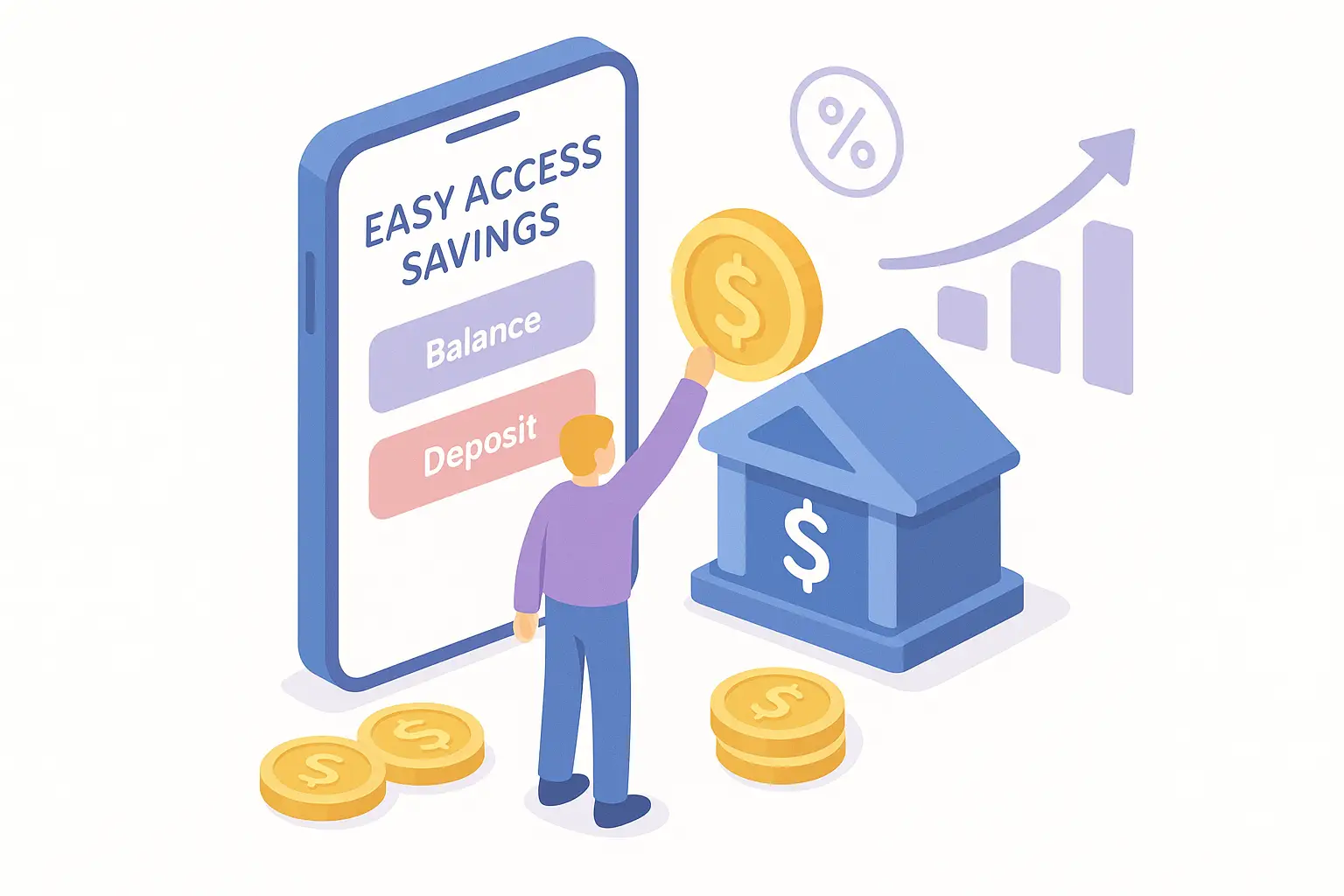
An easy access savings account is a type of bank or building society account that allows you to deposit and withdraw money flexibly without penalties or notice periods. It offers variable interest rates and is ideal for savers who want quick access to their funds while earning some return. Unlike more restrictive options, these accounts prioritise liquidity for everyday use.
Definition and how it works
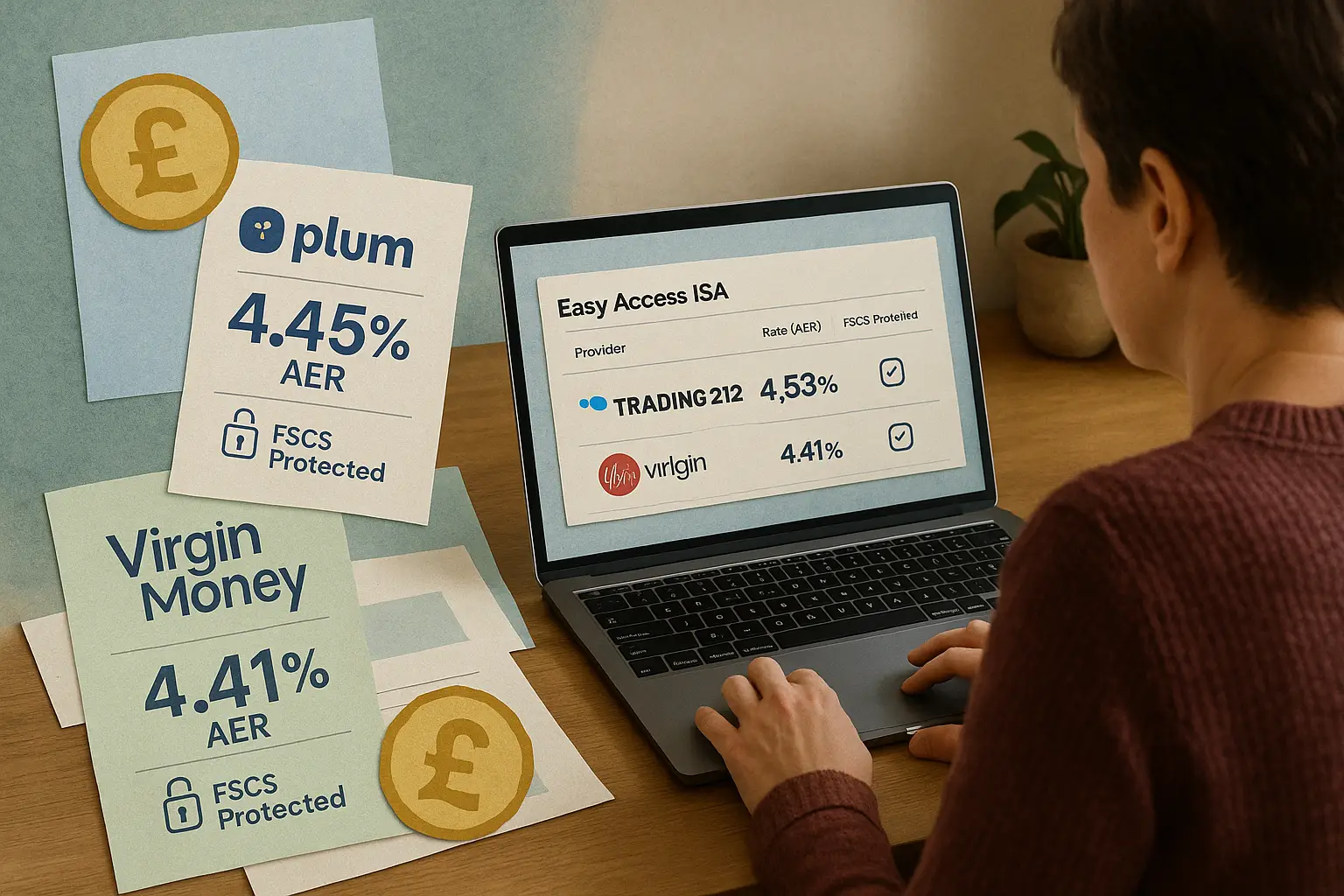
At its core, an easy access savings account lets you move money in and out as needed, typically via online banking or apps. Interest is calculated daily or monthly and added to your balance, compounding over time to grow your savings. Providers like high street banks and online challengers offer these accounts, often with no fixed term, making them suitable for short-term goals or emergency funds. As of October 2025, the average rate stands at around 4.5% AER, according to Money To The Masses.
Difference from fixed-rate or notice accounts
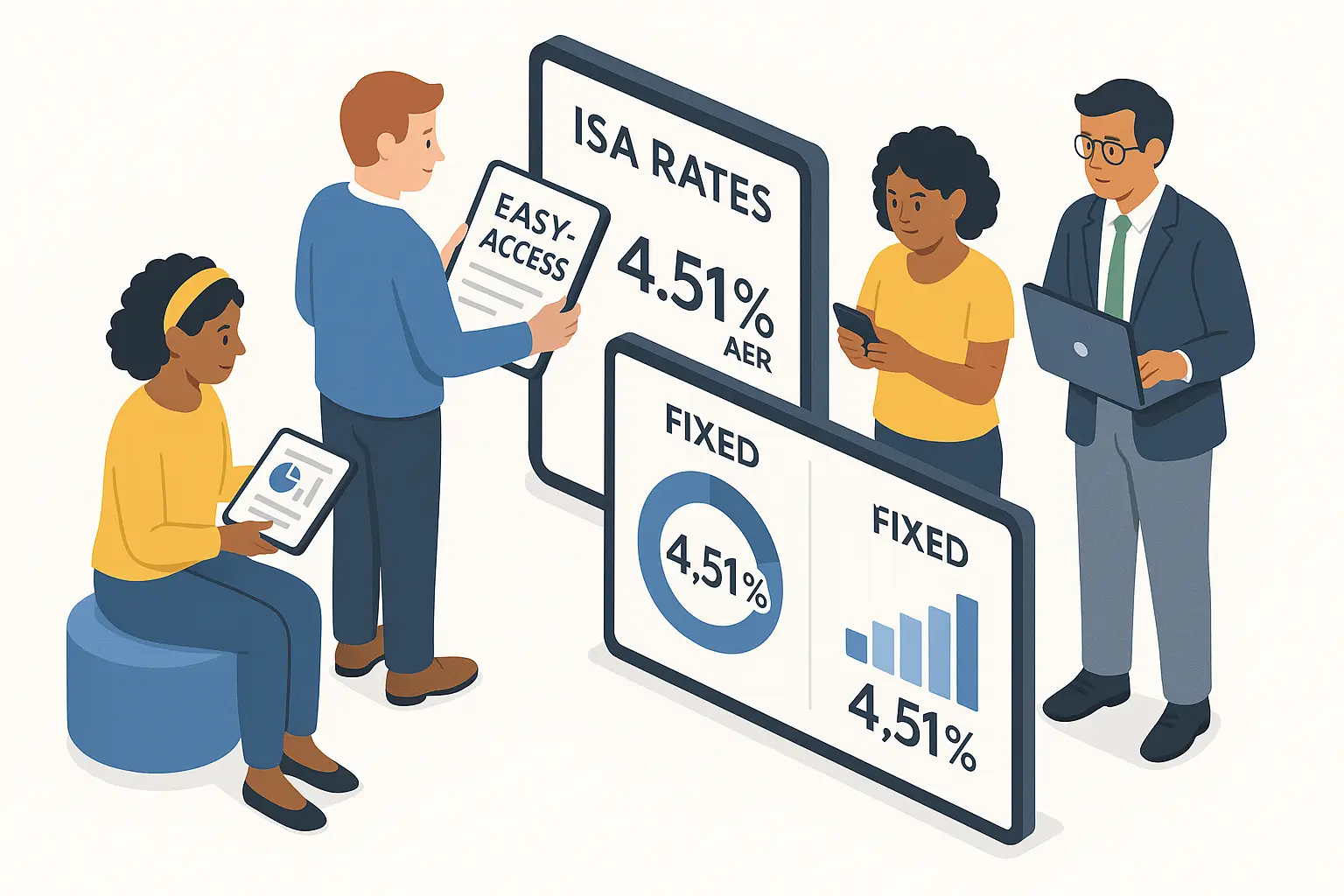
Fixed-rate savings accounts lock your money for a set period, offering higher but unchanging interest in exchange for no withdrawals. Notice accounts require advance warning, such as 30 or 90 days, before accessing funds. In contrast, an easy access savings account provides instant access without these restrictions, though rates may fluctuate with market changes. This flexibility suits those who value availability over potentially higher yields from locked options.
Eligibility and how to open one
Most UK residents aged 18 or over can open an easy access savings account, often requiring just a UK address and ID verification. The process is straightforward: choose a provider, apply online or in-branch, and transfer funds from your current account. Minimum deposits vary but are usually low, starting from £1. For joint accounts, both parties must qualify. Always check eligibility on the provider’s site to ensure compliance with FCA regulations.
Key features of easy access savings accounts
Easy access savings accounts stand out for their user-friendly design, combining security with convenience for modern savers.
Unlimited withdrawals
You can withdraw money anytime without fees or limits in most cases, making these accounts perfect for unexpected expenses. Transfers are often instant via online banking, though some providers may limit daily amounts for security.
Variable interest rates
Rates are not fixed and can change based on Bank of England decisions or competition. This means potential for higher returns if rates rise, but also the risk of drops. Interest is quoted as AER (Annual Equivalent Rate), which accounts for compounding to show the true yearly return.
Online and app access
Many easy access savings accounts, like those from Chase UK, are fully digital, allowing management via mobile apps for deposits, withdrawals, and balance checks. This suits tech-savvy users seeking hassle-free banking.
Minimum balance requirements
While many have no minimum, some require £1–£100 to start earning interest. Falling below might pause interest or incur fees, so review terms carefully.
Tip: Set up automatic transfers to build your savings habit without effort, maximising the benefits of easy access.
Benefits of easy access savings accounts
These accounts provide peace of mind through flexibility and protection, appealing to beginners building financial security.
Liquidity and flexibility
Access your money instantly for life’s curveballs, unlike term-bound alternatives. This makes easy access savings accounts ideal for rainy-day funds or bridging short gaps.
Interest earnings potential
Earn competitive returns without commitment; top rates hit 4.75% AER in October 2025, per MoneySavingExpert. Compounding helps savings grow steadily, outperforming current accounts.
FSCS protection
Funds are safeguarded up to £85,000 per person per institution by the Financial Services Compensation Scheme (FSCS). This government-backed scheme protects against provider failure. For more on FSCS, visit the official site.
Suitability for emergency funds
With quick access and decent interest, they’re perfect for three to six months’ expenses. Keep this separate from daily spending to avoid dipping in unnecessarily.
Types of easy access savings accounts
Variations cater to different needs, from individuals to families.
Personal vs joint
Personal accounts are for one holder, while joint easy access savings accounts allow two people, like couples, with shared access. Joint versions offer up to £170,000 FSCS cover combined, as noted by Forbes Advisor UK.
Business accounts
Easy access business savings accounts support small firms with flexible deposits for cash flow. They often have higher minimums but similar withdrawal perks.
Children’s and ISA variants
Children’s accounts encourage young savers with parental oversight. Easy access ISA savings accounts provide tax-free interest up to £20,000 annually, blending flexibility with benefits. Learn more about ISAs on the GOV.UK site.
| Type | Withdrawal Rules | FSCS Limit | Typical Min Deposit |
|---|---|---|---|
| Personal | Unlimited, instant | £85,000 | £1–£100 |
| Joint | Unlimited, shared access | £170,000 combined | £1–£500 |
| Business | Unlimited, business hours | £85,000 per entity | £1,000+ |
Interest rates and tax considerations
Understanding rates and taxes ensures you maximise returns on your easy access savings account.
How rates are calculated (AER)
AER shows the effective yearly rate, including compounding. For example, monthly interest on a high interest easy access savings account adds up over time. Rates vary; check updates on Moneyfacts for trends.
Personal Savings Allowance
Basic rate taxpayers get £1,000 tax-free interest yearly via the Personal Savings Allowance (PSA). Higher earners have £500, and additional rate none. This applies to non-ISA easy access accounts, per HMRC guidance.
When tax applies
If interest exceeds your PSA, it’s taxed at your income rate via self-assessment. ISAs avoid this entirely. Do you pay tax on easy access savings account interest? Only beyond the allowance, so track earnings.
How to choose an easy access savings account
Focus on your priorities to find a fit.
Factors to consider
Weigh interest rates, fees, access methods, and FSCS eligibility. For best easy access savings account UK options, consider variable rates against your liquidity needs.
Common providers as examples
Santander easy access savings account offers simple online access, while Halifax easy access savings account suits branch users. Chase easy access savings account stands out for app integration and bonuses.
Next steps for comparison
Compare via tools on sites like MoneySuperMarket. For the best easy access savings, review our guide. Explore best easy access savings rates to start.
Frequently asked questions
What is the difference between easy access and fixed rate savings?
Easy access savings accounts allow withdrawals anytime with variable rates, prioritising flexibility. Fixed rate savings lock funds for a term, offering stable higher interest but penalties for early access. Beginners often choose easy access for liquidity, while those with set goals opt for fixed to secure returns. This trade-off suits different saving stages in the UK market.
Are easy access savings accounts safe?
Yes, they are protected by the FSCS up to £85,000 if the provider fails. Spread savings across institutions for full coverage. Unlike investments, your capital is secure, though inflation may erode value over time. Always verify FSCS eligibility for peace of mind.
How much interest do easy access savings accounts pay?
Rates average 4.5% AER, with highs at 4.75% as of late 2025. Variable nature means checks are needed; monthly interest easy access savings account options compound frequently. Compare via independent sites to gauge earnings potential without commitment.
Can I withdraw money from an easy access savings account anytime?
Typically yes, with no notice or fees, distinguishing it from notice accounts. Some limit daily transfers for fraud prevention. This feature makes it ideal for emergency access, ensuring funds are available when needed most.
What is the personal savings allowance for easy access accounts?
The PSA allows £1,000 tax-free interest for basic rate taxpayers, £500 for higher. It applies to easy access accounts outside ISAs. Exceed it, and tax is due; use trackers to monitor. For tax-free growth, consider easy access ISA savings account alternatives.
What is the minimum deposit for most easy access accounts?
Many start at £1, promoting accessibility for new savers. Others require £100–£500, especially business variants. Check terms to avoid inactive fees. Low barriers make easy access joint savings account options family-friendly.
Should I choose a high interest easy access savings account?
If flexibility matters, yes—rates up to the highest interest easy access savings account can boost returns. Balance with provider reliability and access ease. For strategies, review comparisons but start with your goals to avoid rate-chasing pitfalls.