Best Double Mattress Toppers: 7 UK Picks Compared
- Nyheter
Compare the best double mattress toppers in the UK, including Simba, Panda, Emma and Silentnight, with prices, thicknesses and buying advice.

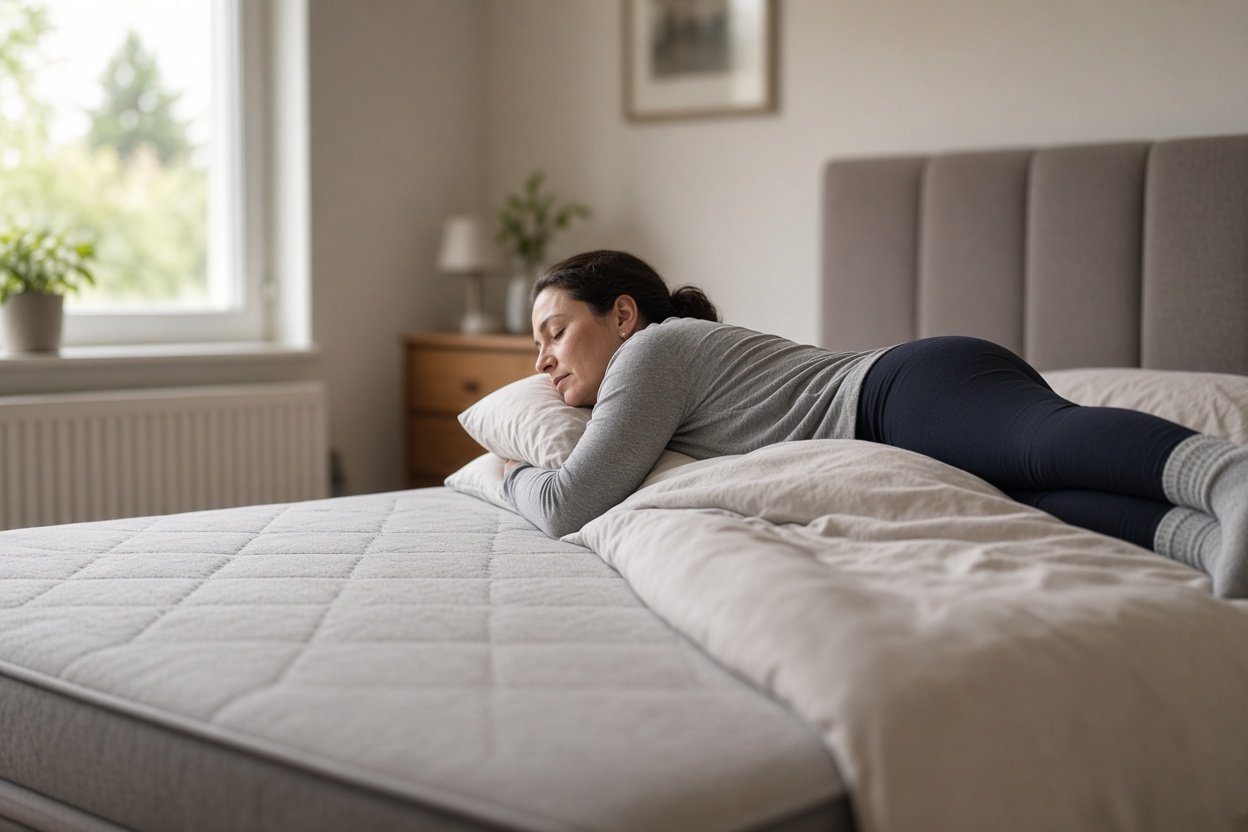

The best mattress for back pain is one that supports the natural curves of your spine, spreads your weight comfortably and does not sag or feel excessively hard. A medium-firm mattress is a sensible starting point for many people, but “medium-firm” is not a standard measure and can feel very different between brands.
There is no single mattress that suits everyone. NHS guidance rejects the old assumption that a very firm or “orthopaedic” mattress is automatically best. It recommends comfort, even weight distribution, support for the spine and enough ease of movement. You can read the NHS patient guidance on choosing a mattress for the full advice.
For a practical UK shortlist, these five mattresses stand out for different budgets and buying priorities. The list combines named recommendations and prices published by retailers or buying guides; it is not a claim that one model is medically best for every sleeper.
| Mattress | Listed price | Best suited to |
|---|---|---|
| OTTY Original Hybrid Mattress | From £500 | Best overall pick in Mumsnet’s guide |
| IKEA VÅGSTRANDA | From £249 | Budget pick in Mumsnet’s guide |
| Dream Team Amersham 1200 Pocket Ortho Mattress | From £299 | Lower-cost pocket-sprung option listed by Mumsnet |
| Simba Hybrid Pro | From £799 | Hybrid option listed by Mumsnet |
| TEMPUR PRO SmartCool | From £1,549 | Premium option listed by Mumsnet |
The prices and categories in the table come from Mumsnet’s UK back-pain mattress guide. Mumsnet names the OTTY Original Hybrid its best overall mattress for back pain and the IKEA VÅGSTRANDA its budget choice. Treat “best” as that guide’s buying recommendation rather than a universal medical verdict.
For a higher-priced alternative, a 2026 UK guide from Bedboy ranked the Eve Wunderflip Ultimate Hybrid Sleep Mattress first for back pain; the shortlisted mattresses in that guide were priced from £999.99 to £2,099.99. That makes it more relevant to shoppers with a larger budget than to anyone seeking a low-cost replacement.
There is no single mattress type recommended for every person with back pain. The most defensible general choice is a comfortable mattress that supports spinal alignment, distributes pressure and allows you to turn without strain. UK mattress guidance commonly uses medium-firm as a starting point for non-specific lower-back pain.
Firmness labels need testing because brands apply them differently. House & Garden reports that medium-firm is not standardised across the industry. A mattress labelled medium-firm may therefore feel supportive to one person and too soft or too hard to another.
A very hard mattress is not automatically safer for your back. An NHS patient-information document says the belief that very firm or orthopaedic mattresses are best has been disproved and is no longer advocated by the medical profession. Support means keeping your body comfortable and reasonably aligned, rather than choosing the hardest surface available.
A medium-firm mattress is a useful first option for back sleepers whose pelvis tends to sink on softer beds. Dreams recommends medium-firm support for back sleepers with back pain because it can support the lumbar curve without allowing the middle of the body to sink excessively.
Back sleepers should check three things: the lower back should feel supported, the hips should not drop noticeably lower than the chest, and changing position should not require a painful effort. A mattress that feels firm in a showroom can still be unsuitable if it creates pressure around the lower back or hips.
Body weight, sleeping position and personal comfort all affect the result. That is why a return period or an in-store trial can be more useful than the firmness word printed on the label. Before buying, check the retailer’s terms carefully rather than assuming every mattress has the same trial conditions.
Side sleepers with back pain should look for stable support under the waist and enough cushioning around the shoulders and hips. NHS guidance says a suitable mattress should distribute weight evenly and reduce pressure on the shoulders and hips. It also suggests using a pillow under the waist and knees when side sleeping.
Do not choose a very firm surface simply because you want support. If the shoulder or hip cannot sink enough to keep the spine comfortable, the mattress may feel hard and create pressure. Conversely, excessive sinking can leave the waist unsupported and make turning more difficult.
For people with both back and hip pain, test the mattress in your usual side position and pay attention to the shoulder, hip and waist together. The model that feels most comfortable and keeps you supported is more important than whether it is marketed as foam, sprung or orthopaedic.
The IKEA VÅGSTRANDA is the clearest budget option in the named shortlist, with Mumsnet listing it from £249. The Dream Team Amersham 1200 Pocket Ortho Mattress is another lower-priced option, listed from £299 by the same guide.
Other listed UK prices include the Dusk Mattress from £149, the Silentnight Amelia Comfort Mattress from £499 and the Nectar Memory Foam Mattress from £429, according to Land of Beds’ medium-firm mattress listings. Prices can vary with size and retailer, so compare the exact dimensions before deciding that one is cheaper.
A low price does not tell you whether a mattress will suit your back. Prioritise a non-sagging sleep surface, comfortable support and the ability to move easily. A cheaper mattress that feels right is a better choice than an expensive model that creates pressure or lets your hips sink.
There is no universally best mattress for sciatica. An NHS community musculoskeletal service advises choosing the mattress that feels most comfortable because people’s needs and preferences differ. NHS guidance also recommends staying as active as possible and avoiding long periods of sitting or lying down.
When sciatica affects sleep, consider the whole sleep setup: mattress, pillows, temperature, light and noise. Cambridge University Hospitals specifically advises reviewing these factors. A pillow under the knees when back sleeping, or under the waist and knees when side sleeping, may also make positioning more comfortable according to NHS lower-back-pain guidance.
A mattress cannot replace medical assessment when symptoms are severe or unusual. Seek urgent medical advice for altered sensation around the genitals, difficulty passing or controlling urine, numbness or weakness in both legs, or unsteadiness.
Neither pocket sprung nor memory foam is universally better for back pain. Pocket springs, memory foam and hybrids are different constructions, but NHS guidance does not identify one construction as best for everyone.
Memory foam may feel more contouring and pressure-relieving, while some sleepers prefer the stronger push-back and easier movement of a sprung or hybrid design. Dreams notes that memory foam can feel less springy than hybrid or pocket-sprung mattresses and may feel too enveloping for people who want more responsive support.
Choose by feel and function: can you maintain a comfortable position, turn without difficulty, avoid pressure at the shoulders and hips, and get up without excessive effort? Construction is useful for narrowing the shortlist, but it should not override those checks.
Lie on the mattress for at least 10 minutes in your normal sleeping positions before buying it. This is the practical test recommended in NHS patient guidance.
If your current mattress sags or feels too hard, replacing it may improve sleeping comfort. A comfortable bed remains the priority; the NHS advises avoiding beds that sag or are too hard.
For shoppers comparing larger sizes, see our guides to king-size mattress options and double mattresses in the UK.
There is no single type recommended for everyone. A comfortable medium-firm mattress is a reasonable starting point, provided it supports the spine’s natural curves, spreads weight evenly and does not create pressure. Very firm or orthopaedic does not automatically mean better.
The NHS does not recommend one particular mattress brand or model. Its advice is to choose a comfortable mattress that supports the body, and to avoid one that sags or is too hard.
Medium-firm is a sensible starting point, particularly for back sleepers, but firmness varies between brands. Choose the mattress that supports your lower back without letting your pelvis sink excessively or causing uncomfortable pressure.
Neither is always better. Memory foam may feel more cushioning and enveloping, while pocket springs and hybrids may feel more responsive and easier to move on. Comfort, alignment, pressure relief and ease of turning matter more than the construction name alone.